
Why Your Air Ducts Smell Musty (and How to Fix It)
A musty air duct smell is typically caused by mold or mildew growth triggered by moisture accumulation within the HVAC system. When condensation forms on evaporator coils or leaks occur in the ductwork, organic debris like dust provides the perfect food source for fungi, which release odors into the airflow.
Why does my HVAC smell like mildew when it starts?
If you notice a sudden puff of stale, earthy, or damp air as soon as your air conditioner or furnace kicks on, you are likely dealing with microbial growth. In the humid climate of the Upstate, including Greenville and Spartanburg, moisture is the primary culprit. When the cooling cycle ends, the internal components of your HVAC system remain damp. If there is insufficient drainage or if the system is older, this moisture lingers, allowing mold spores to settle and thrive.
This phenomenon is often referred to as "Dirty Sock Syndrome." It happens when bacteria and mold collect on the evaporator coils. As the system warms up or shifts cycles, the dampness evaporates, carrying that distinct musty air duct smell directly into your bedrooms and living areas. For homeowners, this isn't just a nuisance—it is a signal that your indoor air quality is being compromised by biological contaminants.
The role of condensation and drainage
Your HVAC system is designed to remove moisture from the air, but that water has to go somewhere. Modern systems use a primary condensate drain line and a secondary pan. If these lines become clogged with algae or debris, water backs up. Standing water in a dark, enclosed space like a duct or a blower cabinet is an open invitation for mildew.
Furthermore, if your air duct cleaning has been neglected for several years, the layer of dust lining the metal or flex-duct acts like a sponge. It absorbs the humidity from the air, creating a damp mat of organic material that stays wet long after the AC has cycled off. This is why the smell is often most pungent after a period of inactivity or during the first humid weeks of a South Carolina spring.
Common causes of musty odors in air ducts
Beyond simple condensation, several specific mechanical and environmental factors can lead to that unpleasant musty air duct smell. Understanding these can help you decide whether you need a simple filter change or a comprehensive system restoration.
- Leaky Ductwork: If your ducts are located in a crawl space or attic, holes or gaps can pull in humid, unconditioned air. This introduces moisture and outdoor pollutants that rot inside the ducting.
- Oversized HVAC Units: A system that is too large for your home will "short cycle," meaning it turns off before it has effectively dehumidified the air. This leaves the home and the ducts feeling damp.
- Clogged Condensate Lines: As mentioned, standing water is a primary source of odor. If the drain pan is rusted or full of slime, the smell will travel through the entire house.
- Animal Infestations: Sometimes, what smells "musty" is actually the remains of pests or their droppings. Rodents and insects are attracted to the cool, dark environment of ducts.
- Internal Component Mold: Mold doesn't just grow on the ducts; it can grow on the blower fan, the insulation inside the air handler, or the evaporator coils themselves.
Is a musty smell from air ducts dangerous?
For most healthy adults, a musty smell is an irritant that may cause sneezing or watery eyes. However, for those with respiratory conditions, the stakes are much higher. When mold and mildew grow in your ductwork, they release microscopic spores and volatile organic compounds (VOCs) into the air you breathe. This can lead to what is known as "Sick Building Syndrome."
Homeowners in the Upstate often report increased allergy symptoms, asthma flare-ups, and general fatigue when their HVAC systems are contaminated. If the musty smell is accompanied by visible black spots around your vent covers, it is a clear sign that the mold has reached a level where professional intervention is necessary. Ignoring these signs can lead to long-term health issues and potentially expensive remediation costs if the mold spreads to your drywall or carpeting.
Identifying the difference between musty and burning smells
It is important to distinguish a musty air duct smell from other common HVAC odors. A burning smell usually indicates an electrical issue or dust burning off a heater element. A rotten egg smell often points to a natural gas leak. A musty, damp, or "old basement" smell is almost exclusively tied to biological growth and moisture. If you are unsure, it is always safer to turn off the system and contact a professional to inspect the unit.
How to eliminate musty odors in your home
Removing a musty air duct smell requires more than just spraying air freshener. To truly fix the problem, you must eliminate the source of the moisture and the existing biological growth. At Ron’s Total Home Services, we recommend a multi-step approach to restoring your home's air.
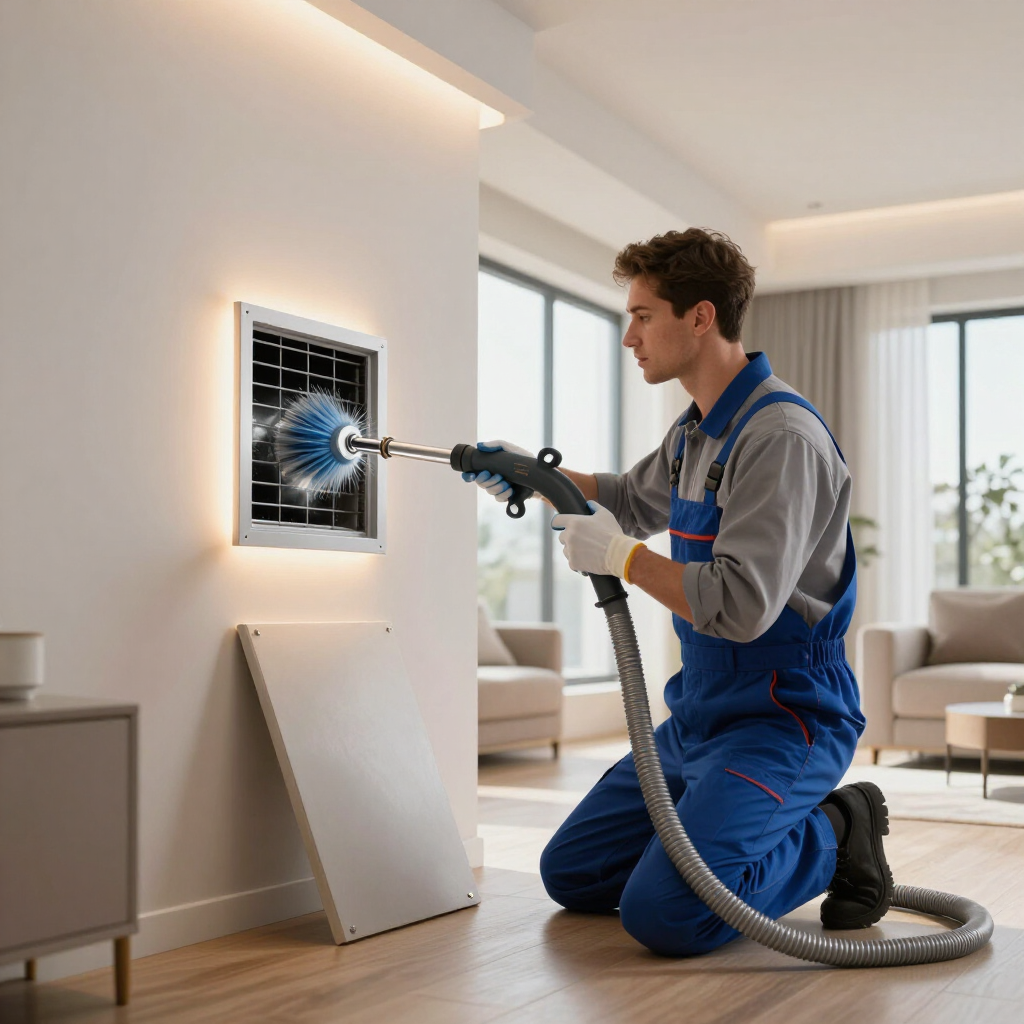
1. Professional Duct Cleaning Standard vacuuming won't reach the deep crevices where mold hides. Professional air duct cleaning involves high-powered HEPA vacuums and specialized brushes that agitate and remove the "bio-film" from the walls of your ducts. This removes the food source for future mold growth.
2. Sanitize the System Once the physical debris is gone, an EPA-approved antimicrobial treatment can be applied. This fogging process kills remaining spores and helps prevent them from returning. This is particularly effective for treating the porous surfaces inside the air handler that can't be easily scrubbed.
3. Check Your Humidity Levels If your home stays above 50% humidity, mold will likely return. Using a dehumidifier or ensuring your AC is properly sized can make a massive difference. For homes with damp foundations, crawl space encapsulation is often the most effective long-term solution to stop moisture from entering the duct system from below.
4. Clean Your Coils and Pans The evaporator coil is the "ground zero" for most musty smells. A professional cleaning of the coils and a thorough flush of the condensate drain line will ensure that water is moving out of your home rather than sitting inside it.
Why DIY cleaning often fails
Many homeowners attempt to solve a musty air duct smell by sticking a vacuum hose into their floor vents. While this might remove some visible dust, it doesn't address the main issues. Most household vacuums lack the suction power to clear a 30-foot duct run and don't have the HEPA filtration required to trap mold spores. Instead, a DIY attempt often just stirs up the spores, spreading them more effectively throughout the house. Furthermore, a homeowner cannot safely clean the internal evaporator coils or blowers without risking damage to the sensitive electronics of the HVAC unit.
Preventive steps for fresher indoor air
Once you have eliminated the musty air duct smell, the goal is to keep it from coming back. Consistent maintenance is the key to a fresh-smelling home and a long-lasting HVAC system.
- Change Filters Regularly: Use high-quality pleated filters and change them every 30 to 90 days. This keeps dust from building up on the coils.
- Schedule Annual Maintenance: Have an HVAC professional check your drain lines and coils before the cooling season starts.
- Monitor Your Dryer Vent: A clogged dryer vent can increase the humidity in your laundry room and surrounding areas. Regular dryer vent cleaning helps keep overall moisture levels down.
- Run the Fan Wisely: Avoid running the "Fan Only" mode if the humidity is high, as this can blow moisture off the damp coils back into the house without cooling it.
- Address Water Leaks Immediately: If you experience any interior water damage , ensure it is dried completely within 24-48 hours to prevent mold from entering the air system.
The Ron’s Total Home Services Difference
Serving Greenville and the surrounding Upstate South Carolina area for over 50 years, Ron’s Total Home Services understands the unique challenges our local climate poses to HVAC systems. We don't just clean; we restore. By combining modern technology with decades of experience, we provide a level of thoroughness that ensures your musty air duct smell is gone for good. Whether it's your home or your business, we are committed to improving your indoor environment.
Summary and Key Takeaways
A musty air duct smell is a clear indicator that moisture and biological growth are present in your HVAC system. This is a common issue in the Greenville area due to high humidity, but it is one that can be fixed with the right professional help.
- Identify the Source: Most musty smells originate from mold on coils or in duct debris.
- Take Action: Professional duct cleaning is the most effective way to remove the odor-causing material.
- Control Moisture: Use dehumidifiers and keep drain lines clear to prevent recurrence.
- Improve Health: Removing mold spores significantly improves indoor air quality for allergy sufferers.
- Trust the Experts: For deep cleaning and antimicrobial treatment, rely on the 50 years of experience at Ron's Total Home Services.
If you’re tired of that damp, earthy smell every time your AC runs, don’t wait for it to get worse. Reach out to our team today for a comprehensive inspection and cleaning. Schedule your service here .