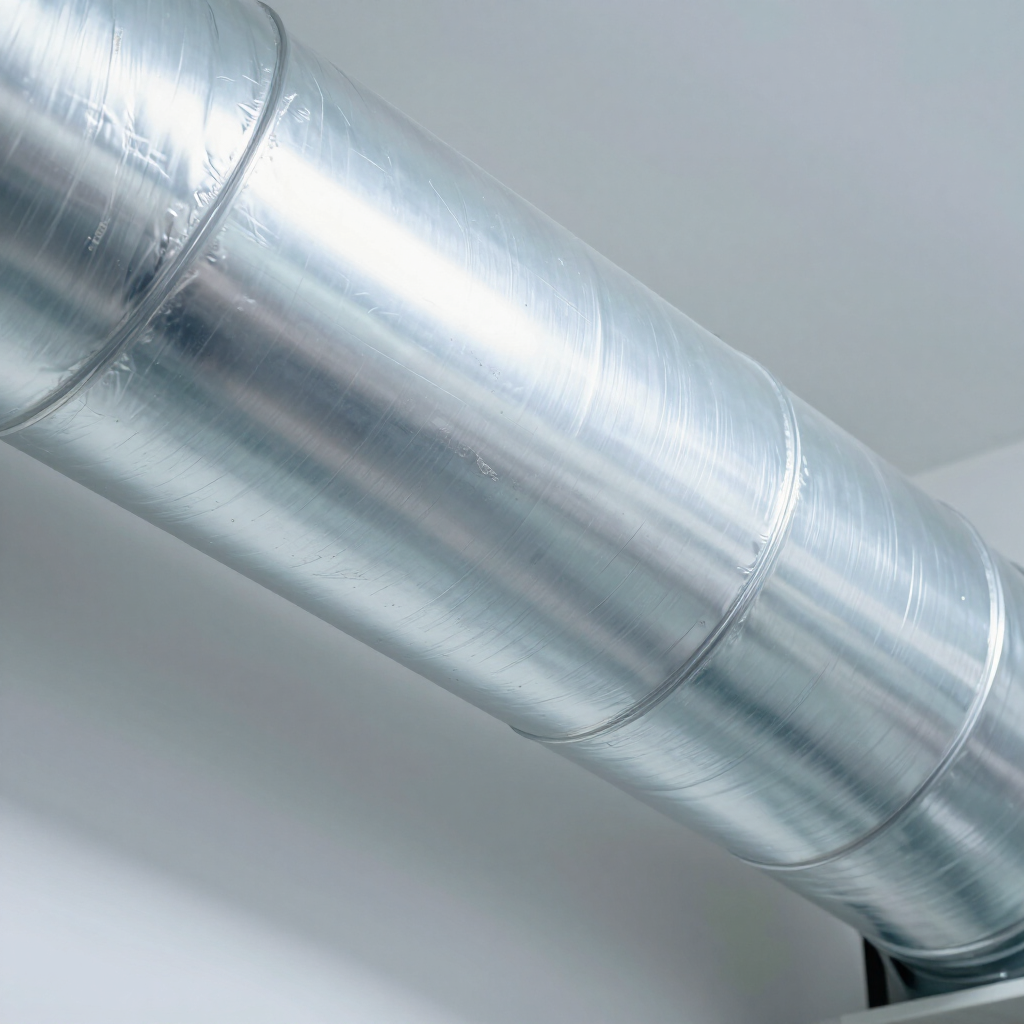

Mold in Air Ducts: What Simpsonville Homeowners Should Know
How It Gets In, How It Spreads, and What It Takes to Get It Out
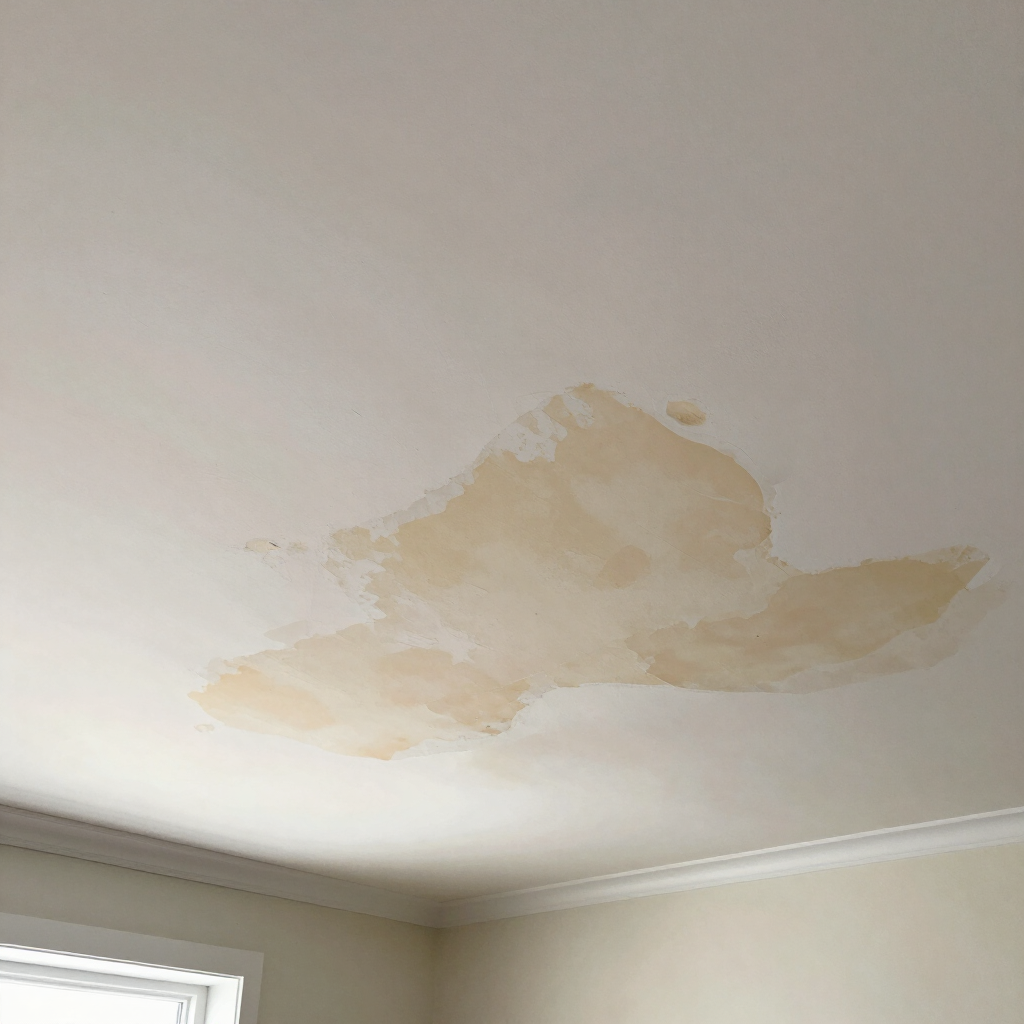
Should Simpsonville Homeowners Worry About Mold?
The Upstate's humidity doesn't just make summer afternoons feel heavier. It creates the exact conditions mold needs to grow, and your ductwork is one of the places it can take hold without you ever seeing it directly. Mold in air ducts spreads through the same air your family breathes every day, which makes this one of the more serious issues a duct inspection can catch. Call 864-297-6440 if you suspect mold anywhere in your HVAC system.
How Mold Gets Into Ductwork in the First Place
Your HVAC system creates condensation as it cools warm, humid air, and that moisture has to go somewhere. In a properly maintained system, it drains away. But when ductwork develops leaks, insulation gets damp, or humidity levels stay high for extended periods, that moisture can linger inside the ducts themselves, creating a dark, damp environment mold thrives in.
Once mold establishes itself, it spreads efficiently because your HVAC system is doing exactly what it's designed to do: moving air throughout your entire home. Every cycle carries mold spores from wherever they started into every room your ductwork reaches, whether or not that room ever had a moisture problem of its own.
Signs Mold May Be Present in Your System
Mold inside ductwork isn't always visible, but it usually leaves clues you can notice without opening up your walls.
- A persistent musty or earthy smell, especially when the HVAC system first turns on
- Visible dark spots or discoloration around vent covers or registers
- Unexplained allergy symptoms, coughing, or respiratory irritation that improve away from home
- Recent water damage, a roof leak, or a known moisture issue near your ductwork
- Condensation regularly appearing on or near your air ducts
Any one of these on its own is worth a closer look. Two or more together are a strong signal it's time for an inspection.
Why This Isn't a DIY Situation
Mold in ductwork requires more than a surface wipe down. Because your ducts run throughout the entire structure of your home, mold can be present in sections you'd never be able to reach or inspect on your own. Proper remediation means clearing the source, addressing the moisture problem that allowed it to grow, and thoroughly cleaning the affected ductwork so spores don't just recirculate after the visible surfaces are wiped clean.
Why Simpsonville Homeowners Call Ron's Total Home Services
Every inspection checks specifically for the conditions that lead to mold, not just general dust and debris. If mold is present, you'll get a clear explanation of what caused it and what it will take to fully address the problem, not a rushed cleaning that leaves the source untouched.
Mold in ductwork is often connected to broader moisture issues in a home. If you've noticed dampness, staining, or water intrusion elsewhere, it's worth having your interior water damage situation assessed at the same time, since the source may be shared.
Don't Let Mold Keep Circulating
Mold in your ductwork doesn't stay contained, and it doesn't resolve on its own. If you're noticing musty smells, unexplained symptoms, or signs of moisture near your vents, it's time for an inspection. Learn more about
air duct cleaning or call
864-297-6440 to get your system checked.